

So, I was fiddling around with some NFTs the other day, and wow, managing them isn’t just about owning cool digital art anymore. Seriously, the layers of complexity keep stacking up, especially when you toss hardware wallets and portfolio trackers into the mix. Something felt off about how most folks simplify this space—it’s way more nuanced than just “store and forget.”
Take NFTs on Solana, for example. It’s not just about having a token in your wallet anymore. You gotta think about security, access, and how you juggle these assets alongside your DeFi positions. Honestly, I’ve seen some people lose entire collections because they didn’t sync things properly or relied solely on hot wallets. Yikes!
Here’s the thing. NFT management is evolving, and so are the tools. I’m biased, but wallets like Solflare are stepping up big time by integrating features that handle NFTs more robustly while bridging that gap with hardware wallets. It’s like they’re finally acknowledging that users want to do more than just stare at their tokens—they want seamless control without sweating the security part.
Initially, I thought portfolio tracking for NFTs was just a flashy add-on. But then I realized that for anyone serious about their crypto collection—whether it’s art, gaming assets, or collectibles—the ability to track value fluctuations alongside staking rewards is very very important. It’s a bit like keeping an eye on your stock portfolio, except way more volatile and, let’s be honest, sometimes unpredictable.
Hmm… on one hand, hardware wallets have been the gold standard for security in crypto, but integrating them with NFT workflows on Solana has been tricky. The usual clunky interfaces and limited support felt like a barrier for most users. Though actually, recent updates in wallets supporting seamless hardware integration have really changed the game.
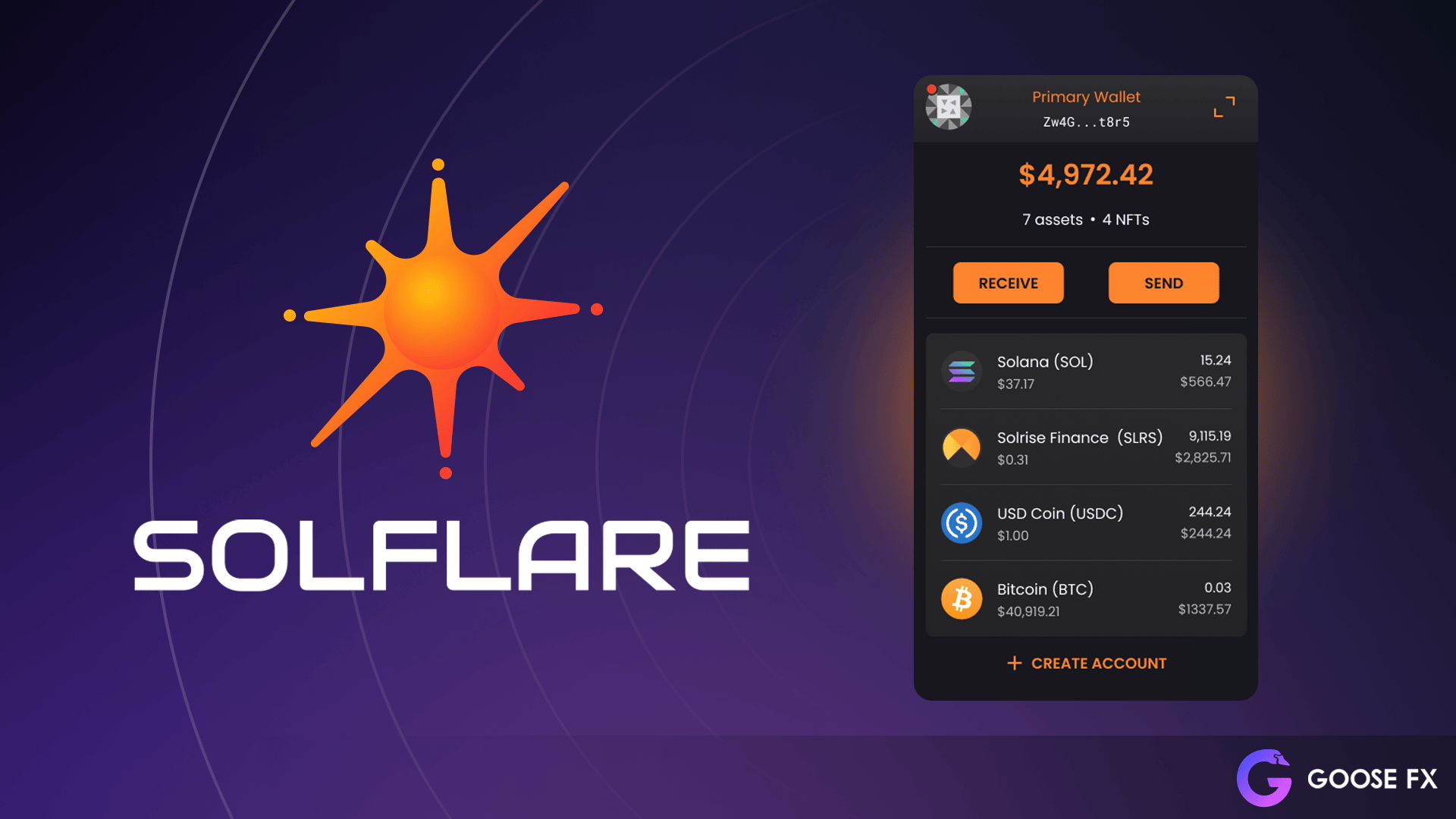
Why Hardware Wallet Integration Matters More Than Ever
Okay, so check this out—when you’re dealing with NFTs, especially rare or high-value ones, the security stakes shoot through the roof. Keeping them on an exchange or a hot wallet is like leaving your cash in your jeans pocket at a music festival. It might be fine, or it might not. You never really know.
Hardware wallets add that extra layer of confidence. They keep your private keys offline, which is crucial. But here’s what bugs me about most setups: the user experience often feels like a chore. Clicking through endless confirmations, juggling multiple apps, and sometimes facing latency in transaction signing. Not fun.
That’s where wallets that support smooth hardware wallet integration shine. Solflare, for instance, has been working on making this process less painful. They’ve integrated support for Ledger and Trezor, so users can manage NFTs, stake SOL, and track their portfolio all without juggling a dozen different tools. Honestly, it feels like the ecosystem is finally catching up to what users really want.
Actually, wait—let me rephrase that. The ecosystem has been there for a while, but it’s the practical integration and polish that’s lagged. Now, with improvements in UX and security protocols, things are clicking into place.
And if you’re wondering how to get started, the solflare wallet download is a solid move. It’s not just a wallet; it’s becoming a hub for managing your entire Solana presence—NFTs, staking, DeFi positions, and hardware wallet connections.
Portfolio Tracking: The Unsung Hero of NFT Management
Let me tell you, tracking your NFT portfolio is no longer some niche feature. It’s an absolute necessity. Why? Because the NFT market is wild. Prices swing like a rodeo bull, and staking rewards add an extra layer of complexity. You just can’t eyeball it anymore and expect to stay on top.
Tools that aggregate your NFT holdings, show real-time valuations, and factor in staking yields give you a bird’s-eye view that’s invaluable for decision-making. I’ve been using a few trackers myself, and while none are perfect, the ones integrated directly into wallets—again, shoutout to Solflare here—make life way easier.
Something I keep telling friends is that managing your NFTs without a portfolio tracker is like trying to balance your checkbook in your head while juggling flaming torches. It’s possible, but why risk it? Plus, with some trackers, you can even set alerts for price dips or staking deadlines, which adds a pro-level edge.
Now, I’m not 100% sure about every feature these trackers boast, but the trend is clear: integration beats standalone apps any day. Less switching, fewer errors, and more peace of mind.
One Tangent Before We Wrap
Oh, and by the way… I’ve noticed some folks get too caught up in the tech and forget the community aspect. NFT ownership on Solana isn’t just about assets; it’s about participation. Tools that let you interact directly with projects, staked tokens, and governance votes from a single interface? Game changer.
It’s fascinating how wallets are morphing into social hubs, where managing your portfolio is just one piece of the puzzle. The convergence of NFT management, hardware wallet security, and portfolio tracking is shaping the future of crypto engagement. It’s messy, exciting, and definitely worth paying attention to.
Anyway, if you’re curious to dive in—or just want a more secure and integrated Solana experience—consider the solflare wallet download as your first step. Trust me, it’s not flawless, but it’s getting there in a way that feels genuine, not just polished marketing fluff.
Got Questions? Here’s What I Hear Most Often
Can I manage my NFTs and staking all in one wallet?
Yes, wallets like Solflare are designed to handle both seamlessly, especially when paired with hardware wallets. This integration lets you not only store but also stake SOL and track NFT values without hopping between apps.
Is hardware wallet integration complicated for beginners?
It used to be, but it’s getting easier. With recent updates, connecting your Ledger or Trezor to Solflare is more streamlined, though you’ll still want to take your time and double-check each step to avoid mishaps.
Why should I track my NFT portfolio actively?
NFT values and staking rewards can change rapidly. Active tracking helps you make informed decisions on when to sell, stake, or hold. It’s a bit like watching the market closely in traditional finance—except a tad more unpredictable.